
Anthropogeny Field Course
Anthropogeny Field Course (ANTH 289S): Perspectives on the human phenomenon
Purpose: To expose graduate students in the Anthropogeny track firsthand to the three major approaches anthropologists take to studying the origin and adaptations of our species: fossil evidence, comparison with non-humans, and study of human foragers living in environments similar to those in which we evolved. Underlying all three approaches is an appreciation for the importance of the ecological context of human adaptation. Visits to key sites will be combined with lectures, discussion and at Ugalla, brief training/experience in conducting relevant field research. Most Anthropogeny students will not be focusing their research specifically in these domains, and yet they underlie and inform all understanding of the human phenomenon. This course will provide our students with an unforgettable context for their own specializations.
National Museum of Ethiopia, Addis Ababa
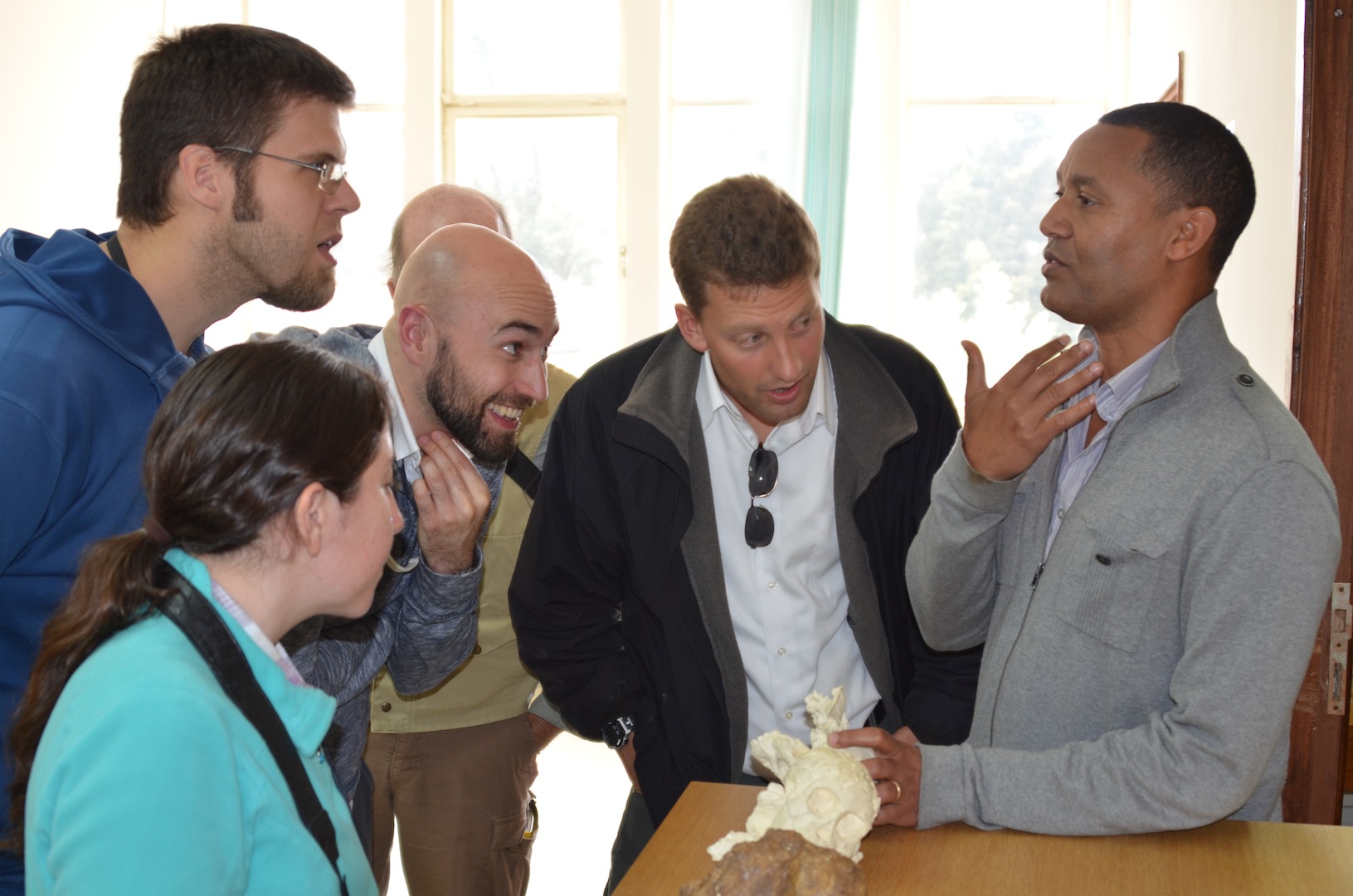
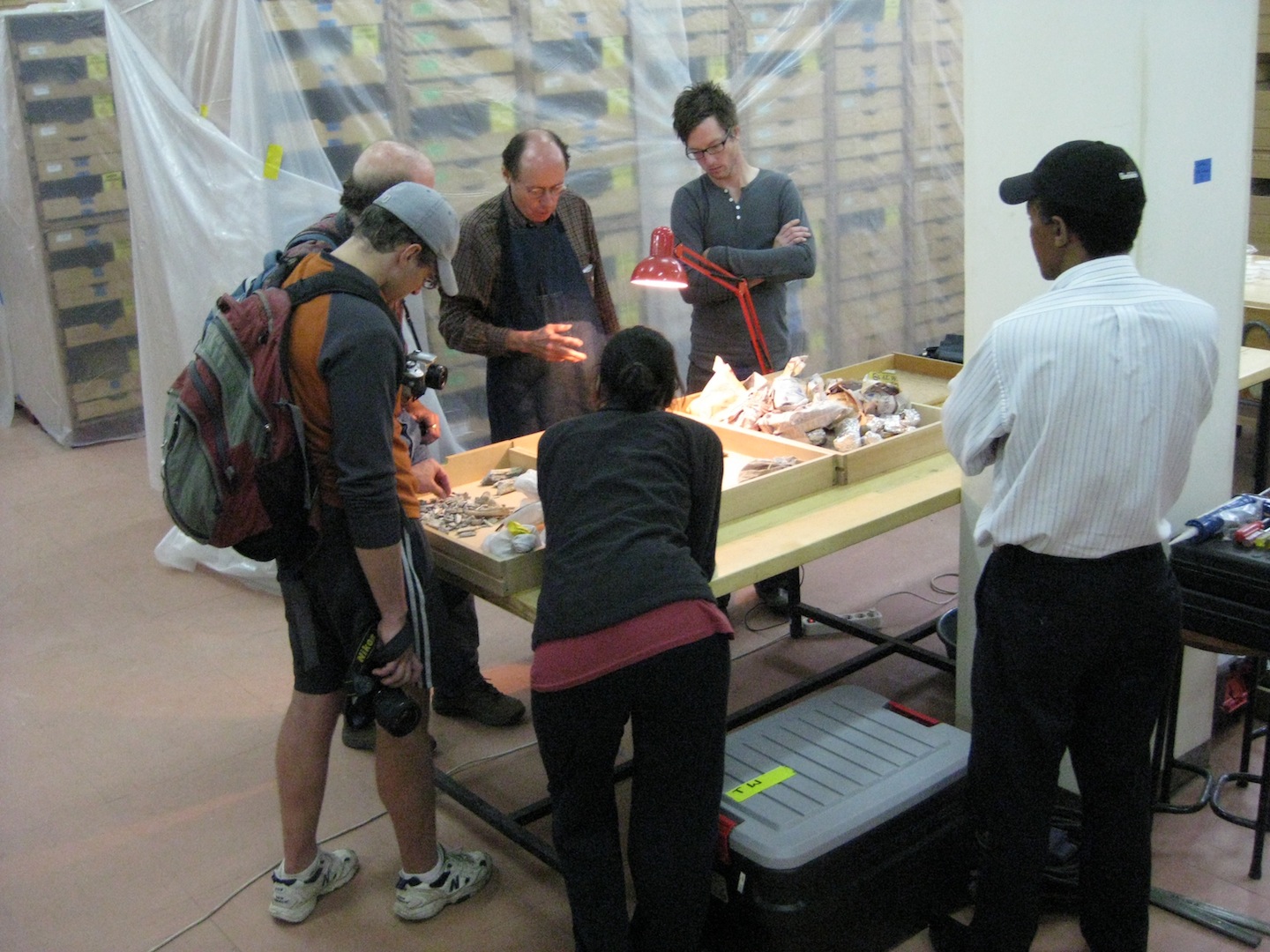
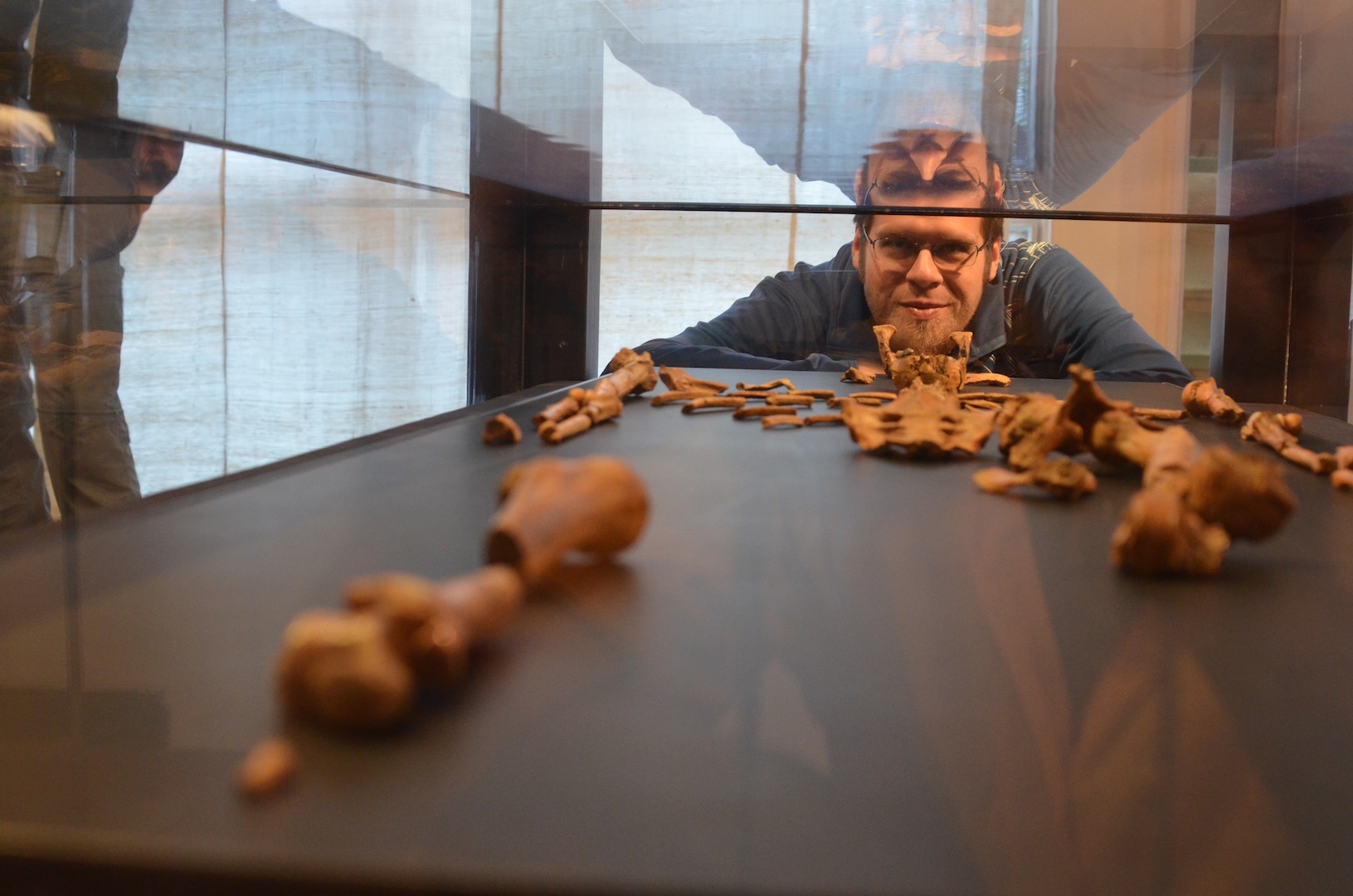
The National Museum in Addis Ababa houses many unique hominid fossils dating back over 5 million years. Below Zerai Alemseged, Tim White and Johannes Haile-Selassie are shown at the National Museum in Addis.
 |
 |
 |
Hadzabe foragers (Yaeda Valley)
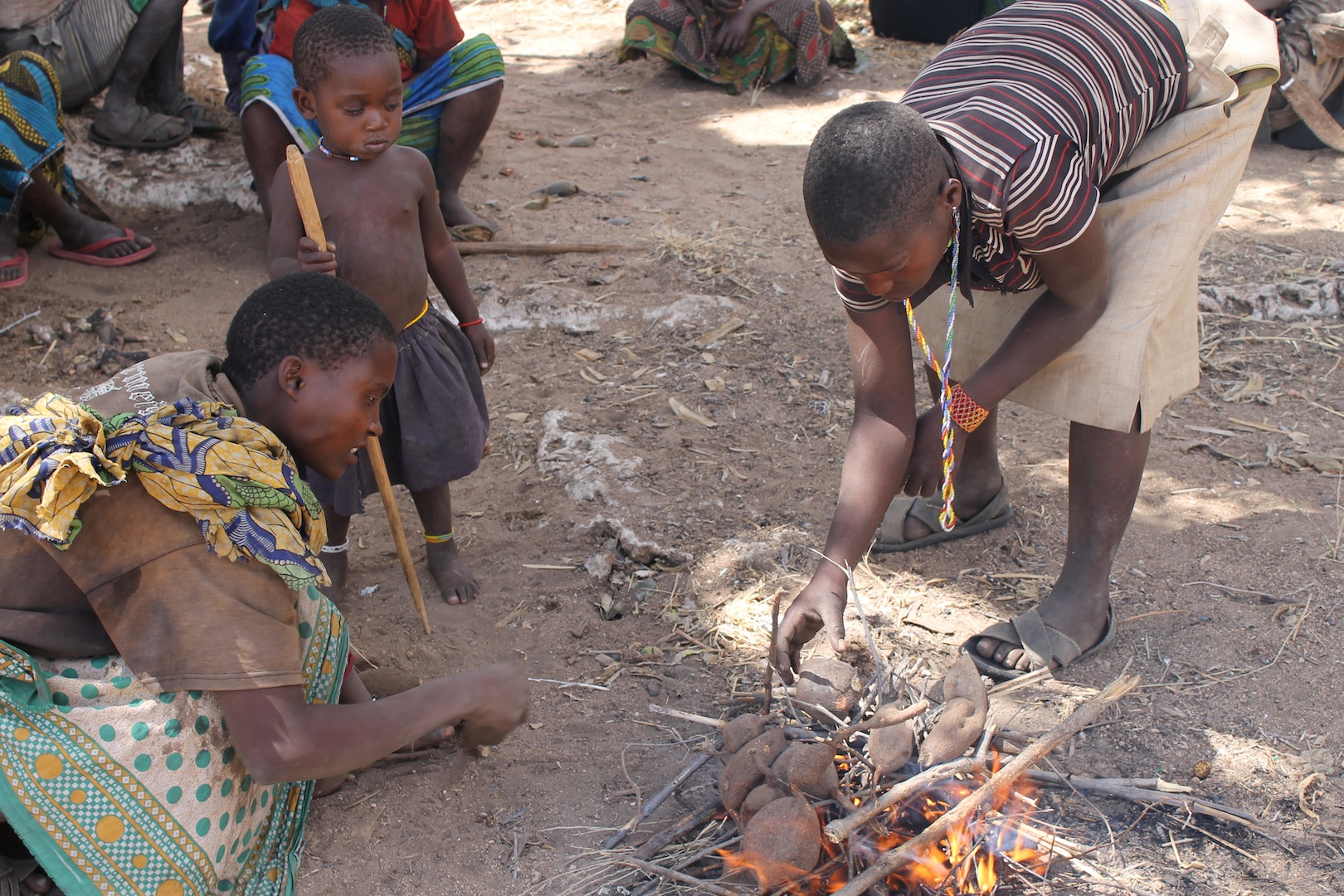
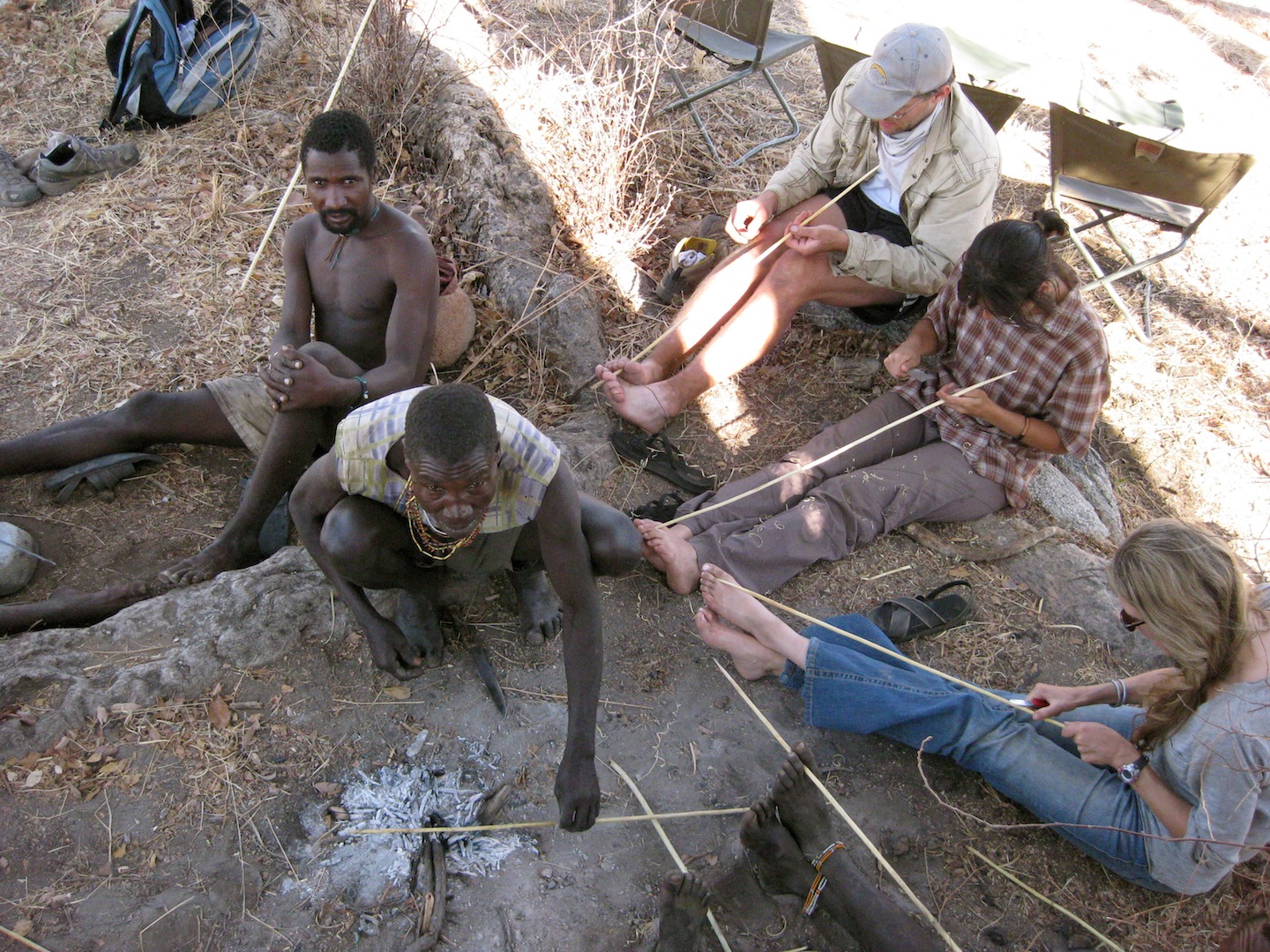
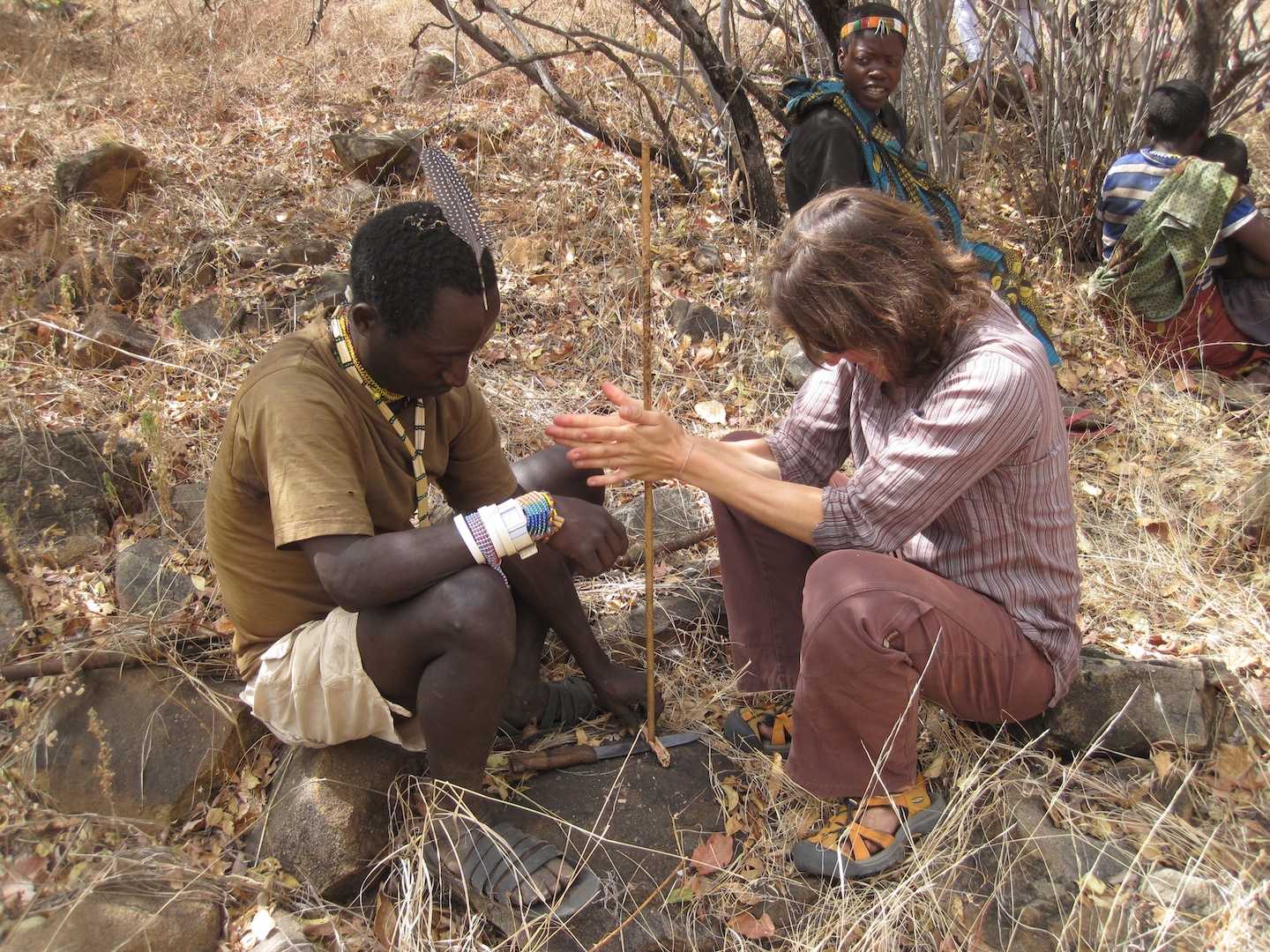
The Hadzabe are click-speaking foragers with ancient linguistic & genetic affinities to the San of southern Africa. Our visit is coordinated through one of two tour organizers with reputations for socially responsible ecotourism (Dorobo Safaris). At the remote Yaeda Valley we join a Hadzabe group who are living traditionally off the land.
 |
 |
 |
Chimpanzee and baboon behavior (Gombe National Park)
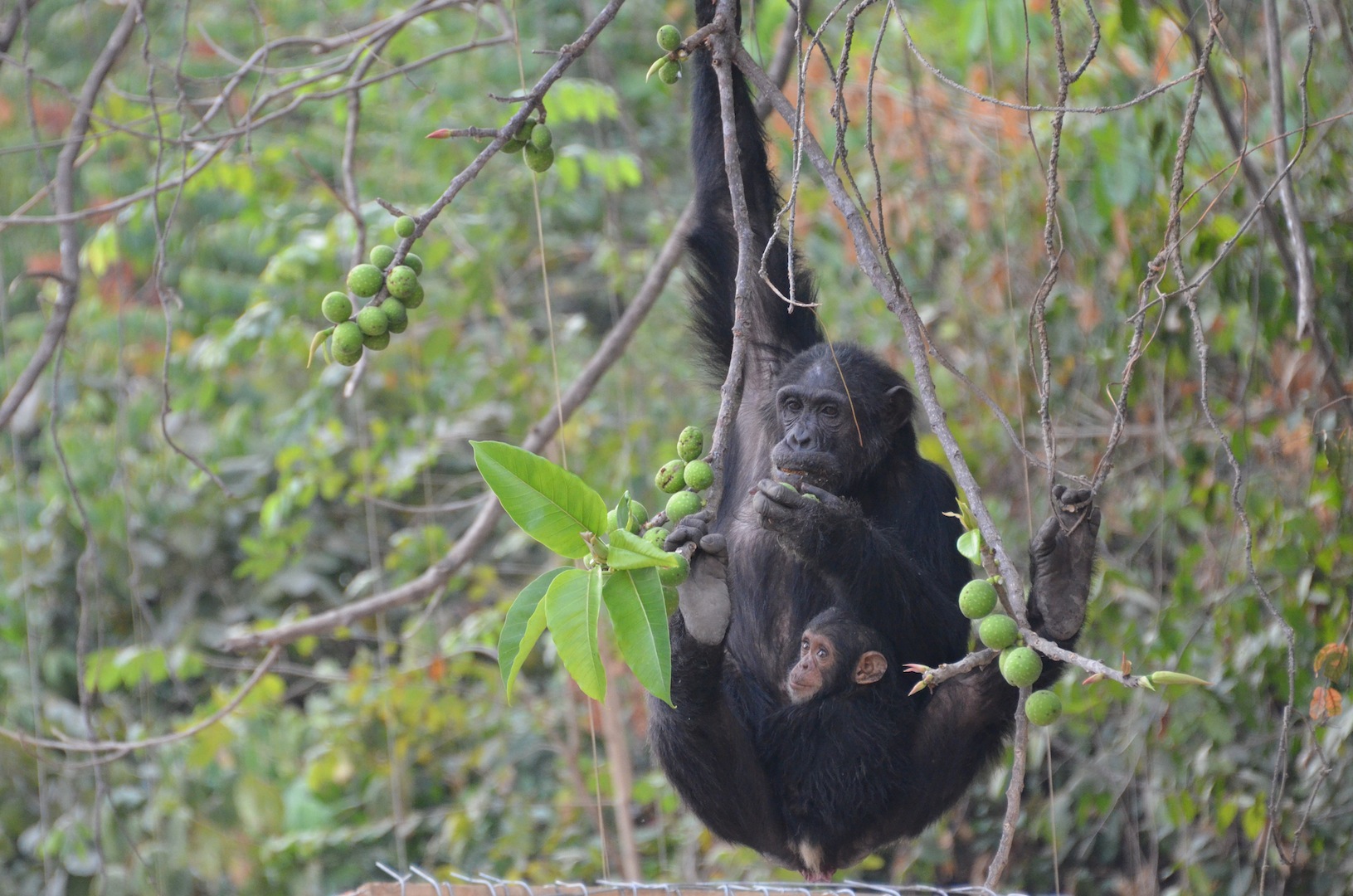
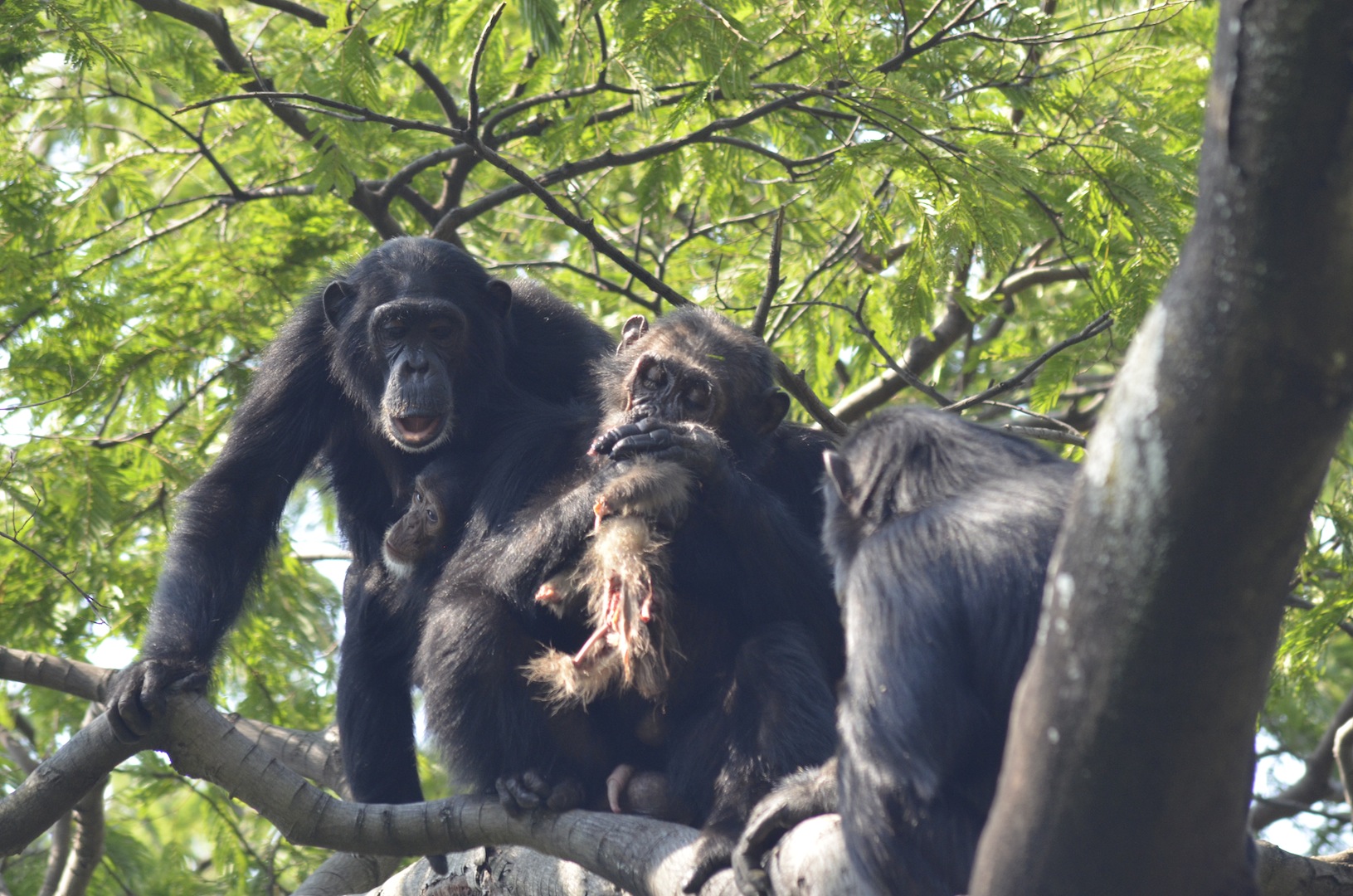
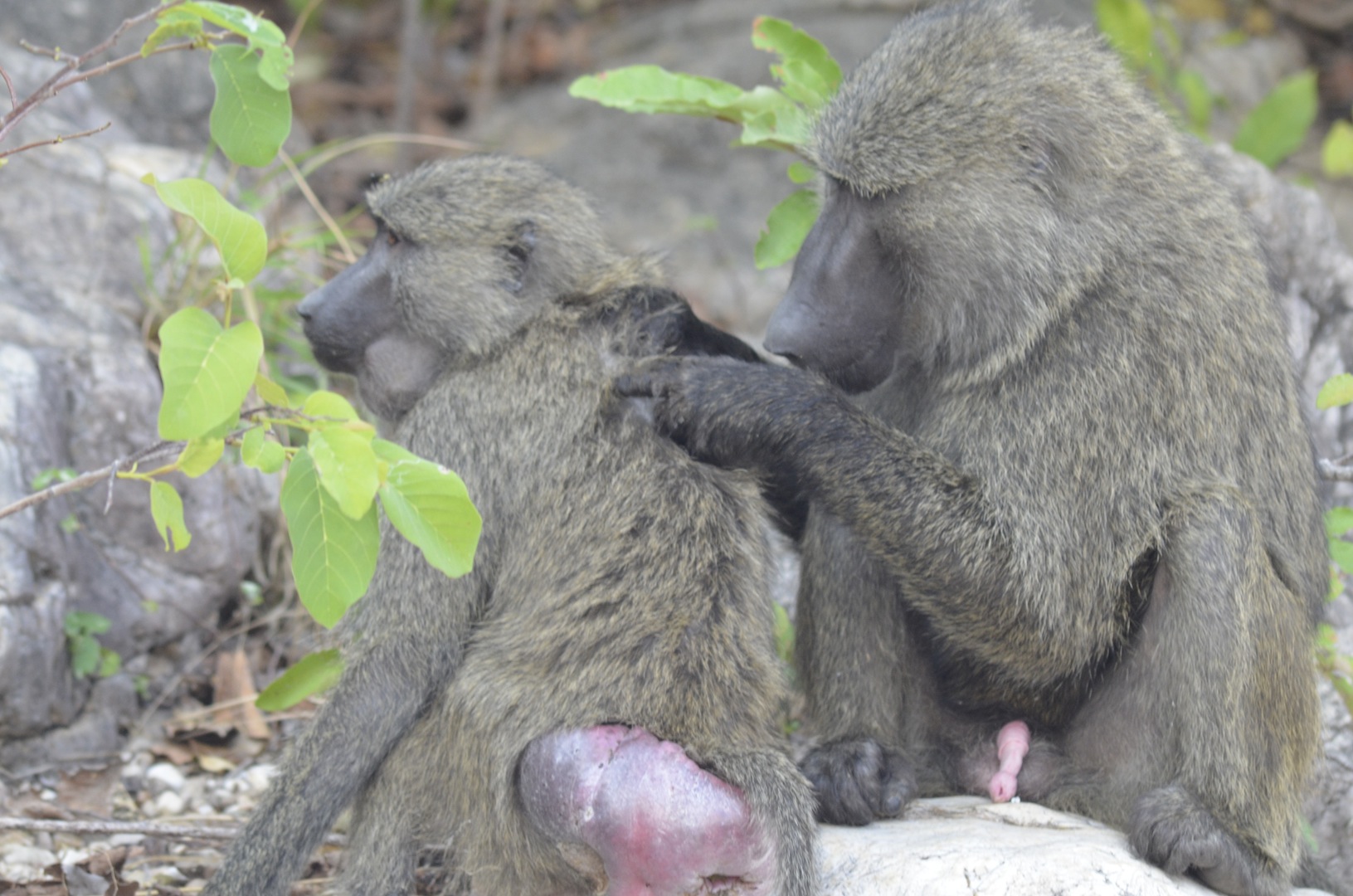
Gombe is where the definition of "human" changed forever, when Jane Goodall documented the making and use of tools by chimpanzees. We visit Gombe, observe well-habituated chimpanzees and baboons in the wild, and discuss ongoing research with current graduate students and personnel of the research center.
 |
 |
 |
Paleoanthropology (Olduvai Gorge)
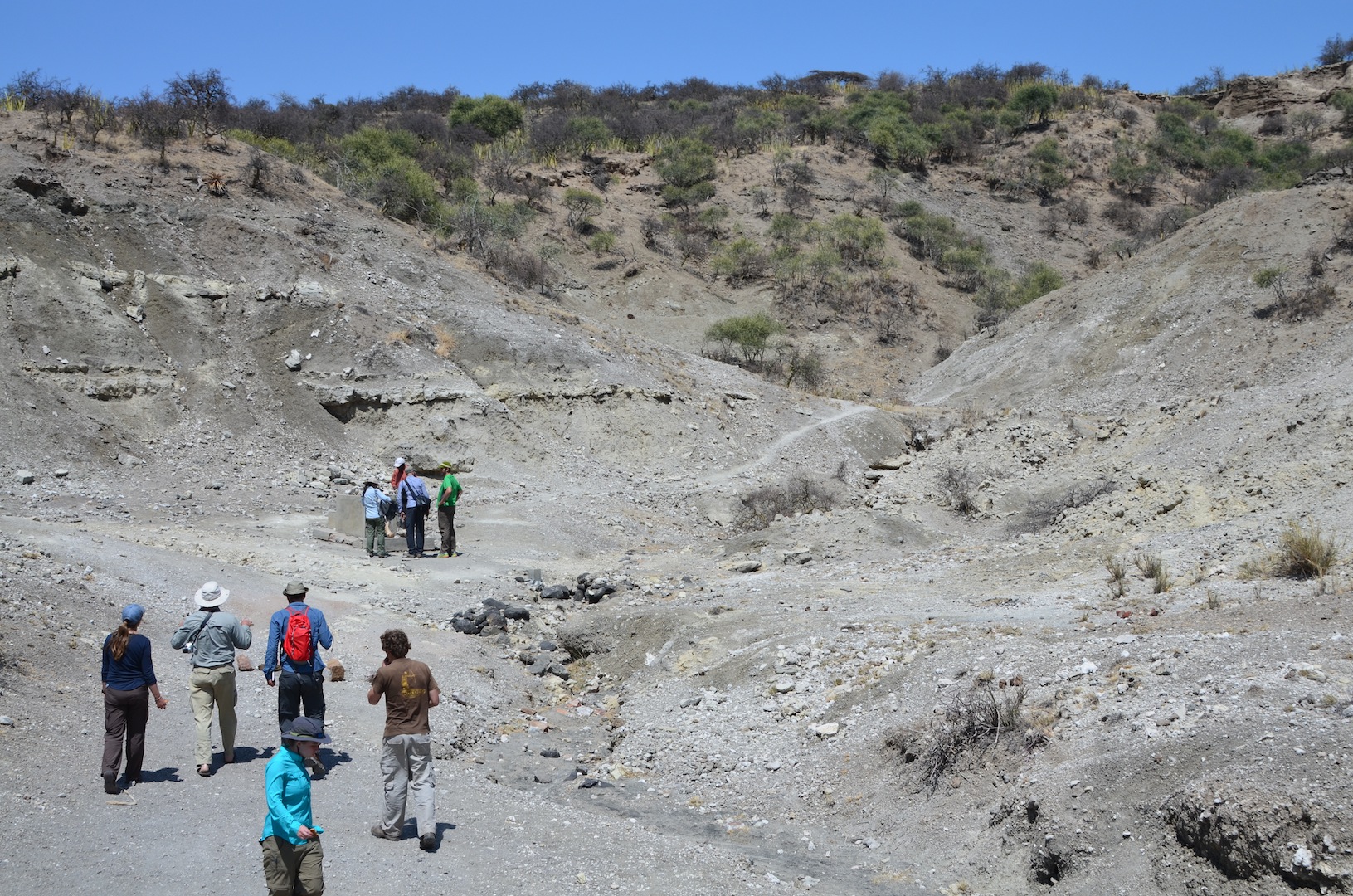
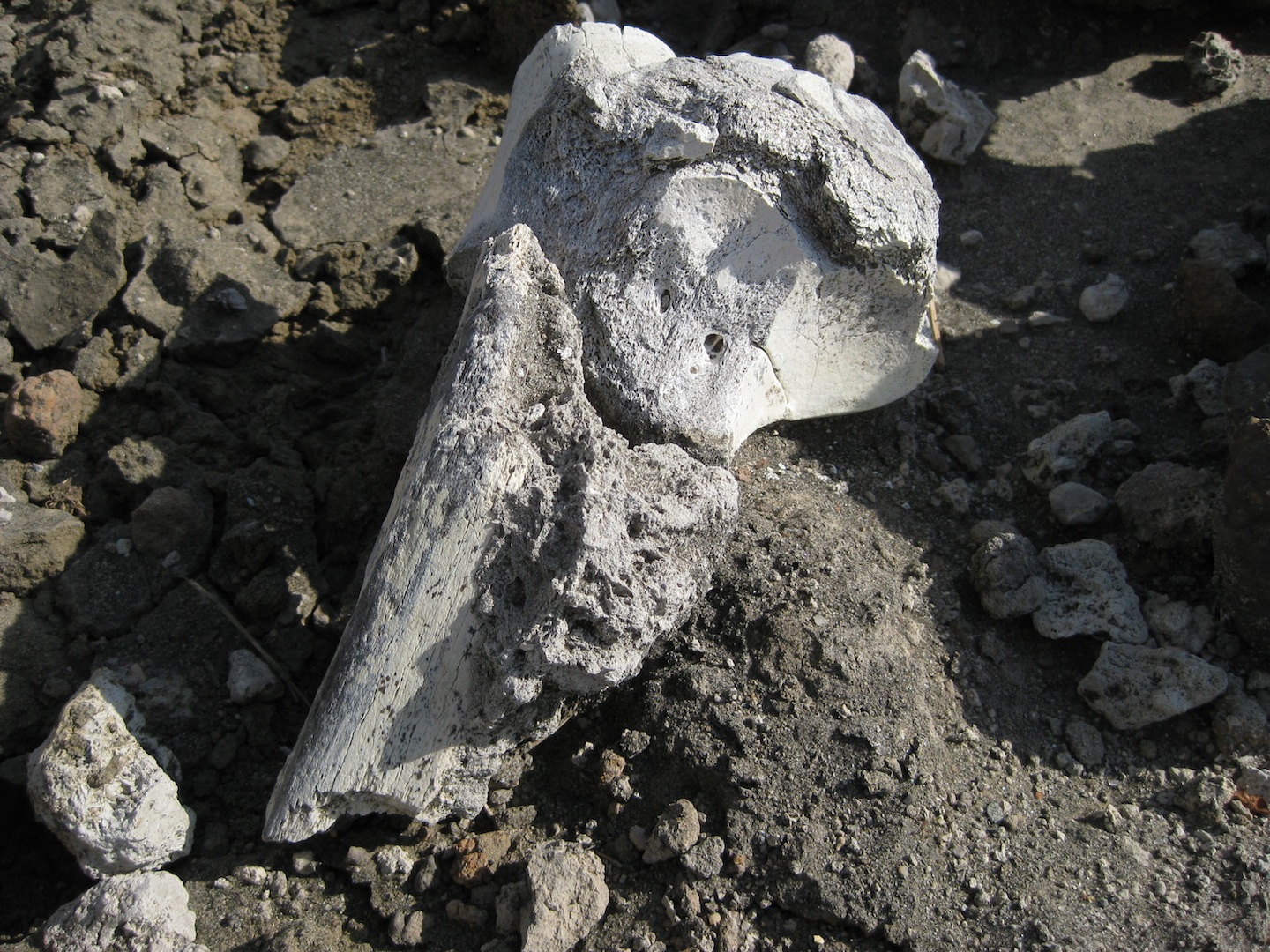
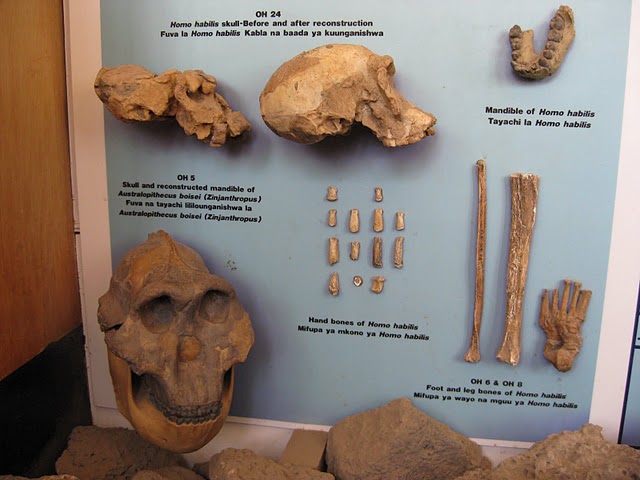
It is hard to overstate the impact of entering Olduvai Gorge and literally walking over fossil crocodile teeth and bone fragments, and even standing at the FLK Zinj locality where Mary Leakey discovered Australopithecus boisei. We tour the lower Gorge and meet paleoanthropologists working in the field.
 |
 |
 |
Ecological context (Ngorongoro Crater, Ugalla)
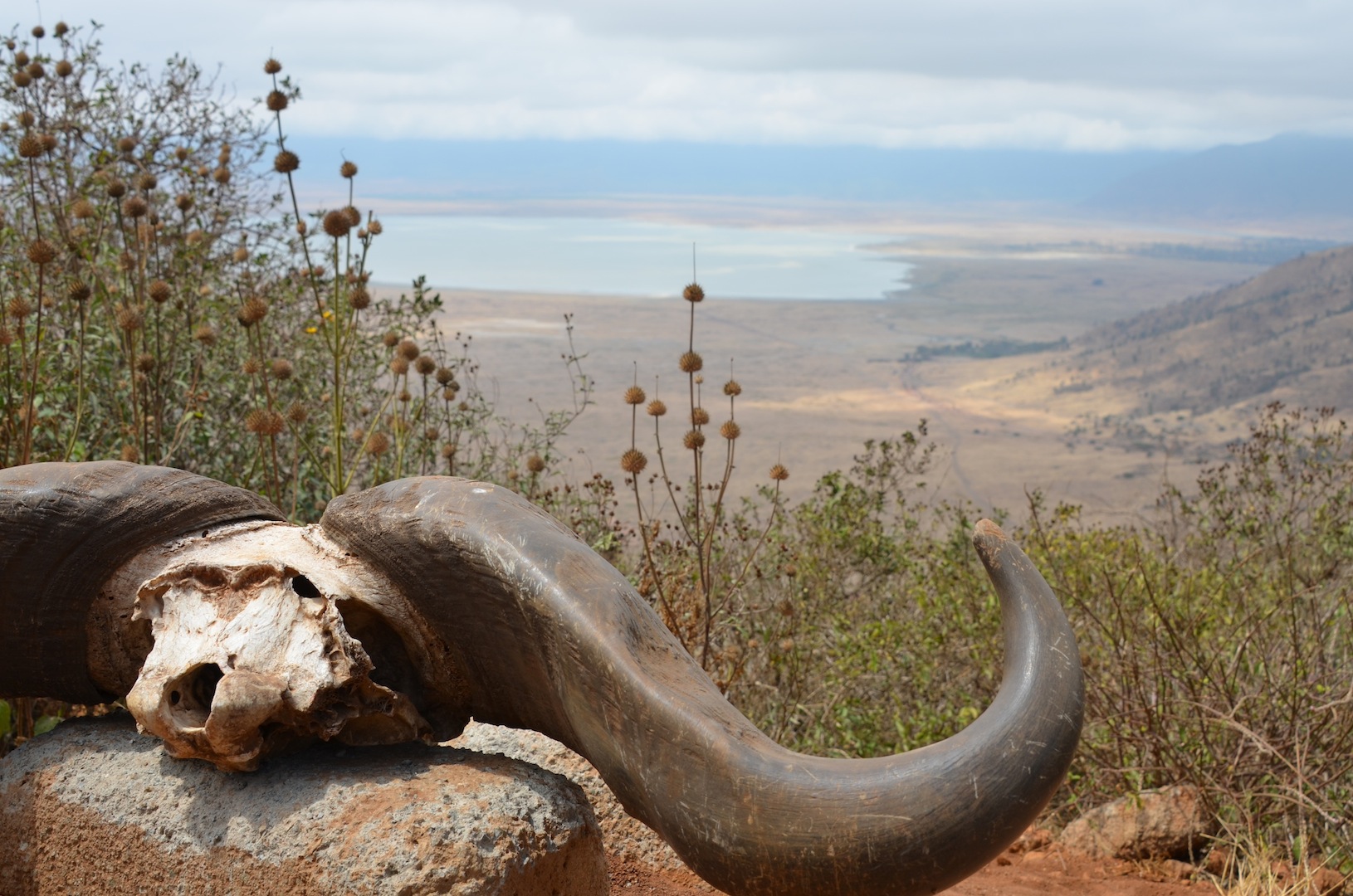
Two million years ago, Olduvai roughly resembled today's Ngorongoro crater floor. Two million years before Olduvai's Bed One was laid down, early hominins were adapting to savanna woodlands similar to those at Ugalla. At the Ugalla Primate Project camp at Ugalla, seminars summarizing the trip are combined with an introduction to the methods of field research.
 |
 |
 |

