
Students
There are 21 UC San Diego PhD students currently enrolled in the anthropogeny specialization:
 Cognitive Science
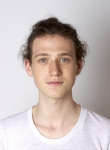
Felix is a second year PhD student in the cognitive science department working on cognitive tools for planning and physical reasoning. Humans use cognitive tools: tools that help think. How do such cognitive tools support humans in making efficient use of their limited cognitive capacities on hard computational problems such as planning? Felix researches the computational nature of such tools using agent-based simulations. This research—best described as computational cognitive science—aims to... more |
 Biomedical Sciences
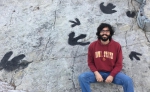
I am a PhD student in the UCSD Department of Biomedical Sciences, working with Drs. Alysson Muotri & Keolu Fox to explore brain development from an evolutionary perspective. Just as ancient DNA sequencing technologies have begun to reveal the genetic makeup of our extinct relatives, such as Neanderthals and Denisovans, breakthroughs have similarly occurred in the fields of genome engineering (e.g. CRISPR/Cas9) and stem cell modeling of neurodevelopment (e.g. brain organoids). Our research... more |
 Biomedical Sciences
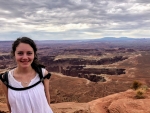
Mika is a PhD student in the UCSD Biomedical Sciences Program in the lab of JoAnn Trejo in the Pharmacology Department. She is currently working to understand the role of the Src family kinases (SFKs) in G protein-coupled receptor signaling to the Hippo pathway as a regulator of breast cancer progression. In addition, she is interested in understanding the molecular mechanisms that regulate a tumor suppressor known as ARRDC3 in the context of breast carcinoma and to elucidate the networks that... more |
 Neurosciences
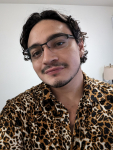
Carlos Escalante Vera is a Fulbright Scholar and a PhD student of the Neurosciences Graduate Program in University of California San Diego. Upon being awarded the Chevening Scholarship in 2018, Carlos began his career in neuroscience doing a Master's Degree in University College London, focusing on the anxiolytic action of antidepressant medications; he is currently investigating the computational principles that guide neuronal architecture, under the supervision of Dr. Gabriel Silva.
|
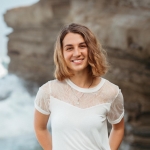 Neurosciences
Julia Gorman is a PhD student in Neurosciences at UC San Diego in the Gentner lab. She uses artificial neural networks to understand how populations of neurons efficiently carry information. She studies both how context affects auditory perception and signaling in the auditory cortex of European starlings as well as how networks can create open learning for vocal communication. Her interests in CARTA lie in understanding how language and perception arises from populations of neurons and... more |
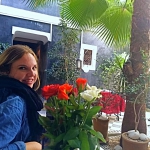 Psychology
Stefanie Holden is a Ph.D. student in Psychology at UC San Diego in Dr. Karen Dobkins’s Human Experience and Awareness Lab (HEALab). She is primarily interested in exploring the impact of conflicting social and cultural influences on how people make sense of their lives and identities via the life stories they tell. By integrating life experiences into an internalized and evolving story, individuals are able to draw connections between their past, present, and future while simultaneously... more |
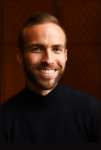 Biomedical Sciences
Juston Jaco is a third-year PhD student in the Biomedical Sciences Program who brings a wealth of knowledge and experience. His academic career began at the University of Michigan, where he graduated with Highest Honors in Environmental Science from the College of Literature, Science, & the Arts. Juston then went on to serve three years as an AmeriCorps service member where he built gardens in outdoor urban school environments, transforming vacant concrete patches into fully functioning “... more |
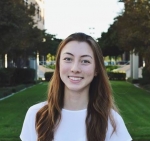 Biomedical Sciences
Kendall is a Ph.D. student in the Biomedical Sciences program at UCSD. She works in Bjoern Peters's lab at the La Jolla Institute for Immunology and is currently investigating the immune signatures of unconventional T cells in multiple diseases. She is using cell analysis techniques and bioinformatics to analyze the differences between T cell subsets and disease state and will also be using biochemical techniques to identify ligands of selected T cell receptors identified through computational... more |
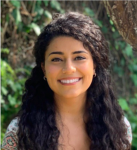 Lora Khatib is a PhD student in the UCSD Neurosciences Graduate Program mentored by Dr. Rob Knight. Her research focus revolves around employing computational models to explore the intricate relationship between microbial cells in the body and their influence on neurotransmitter regulation and neuroinflammation. Her work aims to uncover the impact of these mechanisms on mental health and the onset of neurodegenerative diseases. Lora is interested in the variations in microbial composition... more |
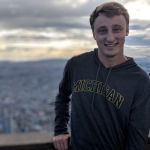 Biomedical Sciences
Reid is a Ph.D. student in the Biomedical Sciences program at UCSD. His research in Dr. Richard Daneman’s lab focuses on the tight regulation of substances entering and exiting the brain, controlled by the special properties of the brain’s blood vessels. This “blood-brain barrier” is critical to maintaining homeostasis and its dysfunction plays a role in the in the pathology of diseases such as Multiple Sclerosis and Alzheimer’s disease. Specifically, Reid is studying the role of the sugar... more |
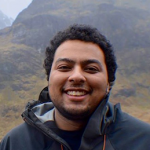 Cognitive Science
James Michaelov is a Ph.D student in the cognitive science graduate program at UC San Diego, working in the Language and Cognition Lab with Ben Bergen. His work combines experimental and computational methods to shed light on the neurocognitive processes underlying human language comprehension and production and how these interact with other systems.
|
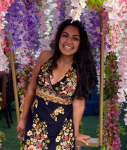 Anthropology
Shubhra Murarka is a PhD student in the Department of Anthropology with specializations in Biology and Science Studies and a member of the Non Lab. She approaches questions from a biocultural lens and is deeply committed to interdisciplinary scholarship. Her research focuses on genomics, racial and social (in)equity, the impact of colonial encounters on genome diversity, Indigenous health outcomes, and bridging social theory with biological methods.
|
 Biological Sciences
Nicholas Nelson is a UCSD Biological Sciences Ph.D. Candidate in Axel Nimmerjahn’s lab at the Salk Institute. Nicholas’s research interests lie in the interface of the nervous and immune systems, and his thesis research investigates how glial cells in the spinal cord regulate nervous system homeostasis and inflammation during the development of chronic pain. More broadly, Nicholas is interested in what shaped the evolution of the human mind – what cellular and molecular actions underlie... more |
 Visual Arts
Coral is a research-based media artist and designer originally from Spain. She is currently pursuing a PhD in Art Practice at UC San Diego. Her interdisciplinary research explores the interconnectedness between bodies and their surroundings. She is interested in the power of images to reflect the impact of culture on biological systems. Her practice relies on tools such as new media technologies, video, installation and scientific material to question the gap between science and art. Her most... more |
 Chantal Rabay is a Ph.D. student in the Anthropology department working with Dr. Amy Non. She is investigating associations between maternal perceived stress, anxiety, and depression and microRNA (miRNA) expression in human breast milk. This project explores miRNAs within exosomes, which are vesicles that prevent miRNA degradation and present a potential pathway for maternal miRNA to influence developmental programming in infants. Additionally, Chantal is interested in exploring potential miRNA... more |
 Neurosciences
Meghan Rossi is a PhD student in the UCSD Neurosciences Graduate Program. As a member of Dr. Richard Daneman's lab, Meghan is focused on examining the effects of peripheral factors, including dietary intake and exercise, on the special properties of the blood vessels in the brain termed the "blood-brain barrier." In addition, she is interested in the role of blood-brain barrier circadian rhythm on Alzheimer's disease pathogenesis, as well as the potential role of the gut microbiome in... more |
 Visual Arts
Hande Sever is a transdisciplinary artist and art historian working at the intersections of ecosophy, vernacular architecture and emerging technologies. Her interest in CARTA stems from her research pertaining to archeological sites in Anatolia, such as Göbekli Tepe and Karahan Tepe, and the impact their discovery and excavation had on artistic production both locally and globally, especially with regards to artists occupied with questions related to human origins. Her writing has been... more |
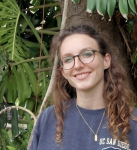 Neurosciences
Sheila Steiner is a 3rd year PhD student in the UCSD Neurosciences Graduate Program. She is co-advised by Dr. Rusty Gage and Dr. Carol Marchetto. She uses stem cell-derived neurons to understand how energy metabolism changes across neuronal development and neuronal aging in humans as compared to other primate species. She is broadly interested in whether there is a trade-off between both humans' unique level of cognitive functioning and humans' relative longevity compared to other primates and... more |
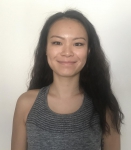 Anthropology
Yaohan is a PhD student in the Department of Anthropology working with Dr Jade d’Alpoim Guedes. She is a bioarchaeologist interested in employing interdisciplinary research to understand how past people from different cultures in prehistoric times utilized different foodways to adapt to the geoenvironmental stressors around them. In particular, she is interested in studying the changes in dietary intake and temporal trends in plant and animal domestications in prehistoric China. Some of Yaohan’... more |
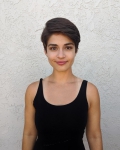 Psychology
Anne Yilmaz is a Ph.D student in experimental psychology at UC San Diego working under Dr. John Wixted in his human memory lab. Broadly, she conducts memory research with potential application to real-world problems—specifically eyewitness memory—that is grounded in basic cognitive science. She primarily uses signal detection theory to guide recognition memory experiments, then uses the findings to direct and interpret lines of eyewitness and police lineup research within other subsects of... more |
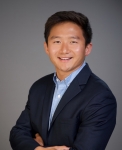 Biomedical Sciences
James Yu is a PhD candidate in the Simonson Lab at UC San Diego. He is interested in identifying and understanding genetic, metabolic, and physiological variation in high-altitude populations that have allowed them to adapt to low oxygen environments. He is also interested in how archaic introgression from Denisovans may play an adaptive role in high-altitude adaptation in Tibetans. He believes understanding the origins of the human phenomena is not only fascinating, but necessary to provide... more |

