
Maanasa Raghavan
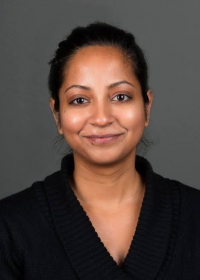
Maanasa Raghavan is an Assistant Professor in the Department of Human Genetics at the University of Chicago. Her research integrates ancient and modern DNA within a multi-disciplinary and community-engaged framework to reconstruct the evolutionary histories of humans, human-associated microbes, and faunal domesticates. Her Ph.D. and postdoctoral research at the University of Copenhagen and the Natural History Museum of Denmark provided several insights into the genetic histories of Indigenous peoples of the Americas, including their dual genetic origins through the genome-sequencing of a 24,000-year-old Siberian individual and the number and timing of migrations that gave rise to the present-day genetic diversity in the Americas. Raghavan's current research investigates the genetic and adaptive histories of humans and their domesticates, the interplay between human genetic and cultural histories, and the impact of lifestyle shifts on the human gut microbiome, with a focus on South Asia. She is also committed to advancing ethical and sustainable research practices in paleogenomics and to science outreach and communication. In addition to participating in several STEM panels, public talks, and documentaries (National Geographic, PBS NOVA, CBC), Raghavan is a co-founder of the South Side Science Festival, an event that fosters connections between the South Side communities of Chicago and the University of Chicago through science.

