
The Idea Organ
Biographical Sketches: Co-Chairs
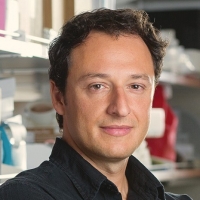
UC San Diego
Dr Muotri is a Professor at the Departments of Pediatrics and Cellular & Molecular Medicine at UC San Diego and an Associate Director of CARTA, in addition to being the Director of the Stem Cell Program and of the Archealization Center at UC San Diego. Dr Muotri earned a BSc in Biological Sciences from the State University of Campinas in 1995 and a Ph.D. in Genetics in 2001 from the University of Sao Paulo, in Brazil. He moved to the Salk Institute as Pew Latin America Fellow in 2002 for postdoctoral training in the fields of neuroscience and stem cell biology. His research focuses on brain evolution and modelling neurological diseases using human-induced pluripotent stem cells and brain organoids. He has received several awards, including the prestigious NIH Director’s New Innovator Award, NARSAD, Emerald Foundation Young Investigator Award, Surugadai Award, Rock Star of Innovation, NIH EUREKA Award, and two Telly Awards for Excellence in Science Communication among several others.
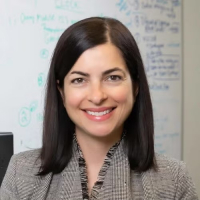
UCLA David Geffen School of Medicine
Genevieve Konopka, Ph.D., became Chair of the Department of Neurobiology in the David Geffen School of Medicine at UCLA, effective July 1, 2025.
Dr. Konopka was Professor and Vice Chair of Neuroscience, the Jon Heighten Scholar in Autism Research, and the Townsend Distinguished Chair in Research on Autism Spectrum Disorders at UT Southwestern Medical Center. Dr. Konopka received dual B.S. degrees in Brain and Cognitive Sciences and Biology from MIT and completed her Ph.D. in Neurobiology at Harvard University. She also completed fellowships in developmental biology with Dr. Stephen Duncan at Medical College of Wisconsin and in neurogenetics with Dr. Dan Geschwind at UCLA.
She has been the recipient of numerous awards including a NARSAD Young Investigator Award, an NIH Pathway to Independence Award, a Basil O’Connor Scholar Award from the March of Dimes, a Young Investigator Award from the International Society for Autism Research (INSAR), a Kavli Fellow of the National Academy of Sciences, and an Understanding Human Cognition Scholar Award from the James S. McDonnell Foundation. The research in the Konopka lab focuses on understanding the molecular pathways important for human brain evolution that are at risk in cognitive disorders such as autism, schizophrenia, and Alzheimer’s disease. Her lab uses a combination of human neurons, animal models, and primate comparative genomics to uncover human-specific, disease-relevant patterns of gene expression. Recent work in her lab integrates gene expression with signatures of neuronal activity in the human brain. The Konopka lab is also part of the international Human Cell Atlas effort to map gene expression in every cell of the human body.
Biographical Sketches: Speakers
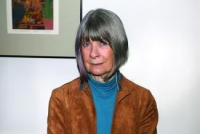
Florida State University
Dean Falk is an American evolutionary anthropologist who is the Hale G. Smith Professor of Anthropology and a Distinguished Research Professor at Florida State University. Since receiving her Ph.D. in Anthropology from the University of Michigan in 1976, she has taught anatomy and anthropology courses at various universities. Her research on the fossil record has taken her to museums in Africa, Europe, and Asia. Much of her research focuses on the evolution of the human brain (paleoneurology) and the associated emergence of language, music, art, and science. She also participates in collaborative research concerning Hans Asperger’s career as a pediatrician when he lived in Nazi-era Vienna. Falk has published numerous scientific and popular books and articles, and has lectured extensively about evolution to both academic and public audiences. More information may be found on her website: www.deanfalk.com.

UC San Diego
Pascal Gagneux is CARTA's Executive Co-Director, a Professor of Pathology and Anthropology, and the Department Chair of Anthropology at UC San Diego. He is interested in the evolutionary mechanisms responsible for generating and maintaining primate molecular diversity. The Gagneux laboratory studies cell-surface molecules in closely related primates species. His focus is on glycans, the oligosaccharides attached to glycolipids and glycoproteins of the surfaces of every cell and also secreted into the extra-cellular matrix. Gagneux's laboratory is exploring the roles of molecular diversity in protecting populations from pathogens as well as potential consequences for reproductive compatibility. Dr. Gagneux’s interest is in how glycan evolution is shaped by constraints from endogenous biochemistry and exogenous, pathogen-mediated natural selection, but could also have consequences for sexual selection. Dr. Gagneux has studied the behavioral ecology of wild chimpanzees in the Taï Forest, Ivory Coast, population genetics of West African chimpanzees, and differences in sialic acid biology between humans and great apes with special consideration of their differing pathogen regimes. In 2011, while Associate Director of CARTA, Dr. Gagneux helped to establish a graduate specialization in Anthropogeny at UC San Diego. This wholly unique graduate specialization is offered through eight participating graduate programs in the social and natural sciences at UC San Diego.
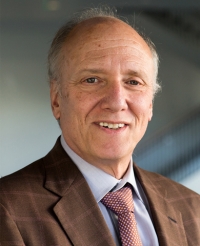
University of California, San Francisco
Bruce L. Miller, MD, is the A.W. and Mary Margaret Clausen Distinguished Professor of Neurology and director of the UCSF Edward and Pearl Fein Memory and Aging Center, an NIH-sponsored Alzheimer’s Disease Research Center. A world-renowned behavioral neurologist, Dr. Miller specializes in the diagnosis and management of neurodegenerative diseases, with a particular focus on frontotemporal dementia (FTD). His groundbreaking research has advanced the understanding of brain-behavior relationships, disease mechanisms, and therapeutic approaches for dementia.
Dr. Miller’s work integrates genomics, neuroimaging, and precision medicine with artificial intelligence (AI) to deepen our understanding of neurodegenerative disorders. He has established several major research initiatives, including the Tau Consortium and Bluefield Project to Cure Frontotemporal Dementia. He also oversees the ReDLat initiative, which studies Alzheimer’s disease and FTD across the Americas. As the founding director of the Global Brain Health Institute (GBHI) at UCSF, Dr. Miller established a program to train global leaders in brain health, with a mission to reduce the worldwide impact of dementia through prevention and intervention strategies.
As a clinician, Dr. Miller emphasizes compassionate, innovative care for patients and their families. He has pioneered programs to enhance care coordination and support patients after diagnosis, including a healthy aging program and an artist-in-residence initiative that highlights the role of creativity in the aging process. His work has helped distinguish Alzheimer’s disease from other dementias, particularly FTD, through his descriptions of changes in behavior, language, and emotion.
Dr. Miller founded the UCSF Behavioral Neurology Fellowship and hosts scholars from around the world to advance brain health research. He authored nearly 2,000 publications and many books, including The Human Frontal Lobes, Finding the Right Words (co-written with Atlantic Fellow Cynthia Weinstein, PhD), and Mysteries of the Social Brain (co-written with Virginia Sturm, PhD).
He has received numerous honors, including the Potamkin Award from the American Academy of Neurology and election to the National Academy of Medicine. He has appeared on Good Morning America, a Diane Sawyer special about Bruce Willis, 60 Minutes, PBS NewsHour, and has been featured in The New York Times and Fortune Magazine.
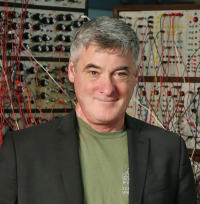
Massachusetts Institute of Technology
oe Paradiso is the Alexander W. Dreyfoos Professor in Media Arts and Sciences at the MIT Media Lab, where he directs the Responsive Environments group and currently serves at the Academic Head. He received his PhD in Physics from MIT in 1981 and a BS in Electrical Engineering and Physics from Tufts University in 1977, then joined the Media Lab in 1994 after developing spacecraft control and sensor systems at Draper Laboratory and high-energy physics detectors at CERN Geneva and ETH Zurich. He is an IEEE Fellow renowned for work in wearable sensing systems, energy harvesting technology, and electronic music controllers, and a pioneer in Internet of Things applications. His current research broadly explores how sensor networks and AI augment and mediate human experience, interaction and perception. This has encompassed wireless sensing systems, wearable and body sensor networks, ubiquitous/pervasive computing, human-computer interfaces, space-based systems, sensate materials, digital twins in virtual worlds, and interactive music/media. He has written over 400 articles and papers and holds over 25 patents in these areas. Joe has also been designing, building, and using his own electronic music synthesizers since the early 1970s. He has always enjoyed composing electronic soundscapes and seeking out edgy and unusual music from around the world.
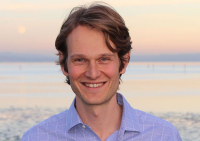
UC San Francisco
Alex Pollen is an Associate Professor in the Department of Neurology at the University of California-San Francisco (UCSF). His lab combines advances in single-cell genomics, genome engineering, and primate organoid models to study the specialized features and vulnerabilities of the human brain. This research program builds on a longstanding interest in studying the evolution of brain structure and function. Recently, his lab identified developmental mechanisms contributing to cell type evolution in the primate brain and established a CRISPR-based strategy for discovering human-specific vulnerabilities. Ultimately, the lab aims to illuminate molecular mechanisms contributing to human origins and to identify therapeutic targets in selectively vulnerable neurons.
As an undergraduate at Harvard, Alex studied comparative neuroanatomy among cichlid fish in Lake Tanganyika with Hans Hofmann. Their fieldwork 10 miles from the chimpanzees at Gombe inspired Alex to study human brain evolution. Alex next performed comparative studies of brain development with Zoltan Molnar as a Rhodes Scholar at Oxford University, and then pursued training in evolutionary genetics and neuroscience during his PhD studies with David Kingsley at Stanford University. As a postdoctoral fellow, Alex applied single-cell genomics approaches to illuminate molecular mechanisms contributing to cortical expansion with Arnold Kriegstein at UCSF.
His research has been supported by multiple funders, including US agencies and philanthropies.
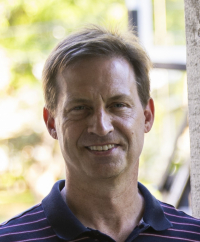
Emory University
James K. Rilling is a Professor of Psychology at Emory University, with a secondary appointment in the Department of Psychiatry and Behavioral Sciences. Dr. Rilling uses brain imaging, genetics and endocrine assays to investigate the biological bases of human social cognition and behavior, with a current focus on caregiving in fathers, grandmothers and dementia caregivers. Much of his research is examining the role of oxytocin signaling in human social cognition and behavior. His latest book is Father Nature: The Science of Paternal Potential (The MIT Press, 2024)
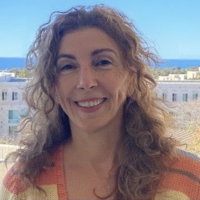
UC San Diego
Katerina Semendeferi is Professor of Anthropology and Director of the Laboratory for Human Comparative Neuroanatomy at UC San Diego. She is CARTA Co-Director and elected fellow of the American Association for the Advancement of Science. Semendeferi’s studies of the fronto-limbic circuitry showed that the relative size of the frontal cortex is remarkably similar across apes and humans and that evolutionary changes are found in some, but not all, regions of the human frontal lobe and amygdala. Her laboratory explores links between the phylogenetically reorganized brain regions and vulnerabilities observed in atypical human neurodevelopment (Autism and Williams Syndrome). Semendeferi has been involved with multiple lines of research in human evolution, including the fossil record, and pioneered the application of noninvasive imaging tools to the study of the brain of the apes. She maintains an interest in bringing together multiple fields of inquiry including efforts to bridge classical quantitative neuroanatomy with the field of induced pluripotent stem cells and brain organoids.
Yale School of Medicine
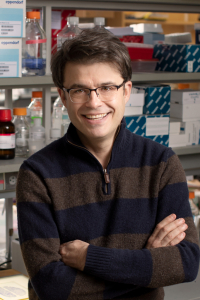
Nenad Sestan is the Harvey and Kate Cushing Professor of Neuroscience, a Professor of Comparative Medicine, of Genetics and of Psychiatry, and the Executive Director of the Genome Editing Center at the Yale School of Medicine. He obtained his M.D. from the University of Zagreb and his Ph.D. in neurobiology from Yale University. Sestan’s laboratory investigates how neural circuits form within the developing cerebral cortex. He also studies how neural circuits were modified during human evolution and may become compromised in neurodevelopmental and psychiatric disorders. Most recently, his laboratory discovered that the large mammalian (porcine) brain is more resilient to a lack of oxygen than previously thought. It also described a first-in-class technology that can restore brain perfusion and reverse some of the effects of oxygen deprivation.
Sestan is the recipient of several international honors and awards, including the Constance Lieber Prize, Krieg Cortical Discoverer Prize, NARSAD (National Alliance for Research on Schizophrenia and Depression) Distinguished Investigator (awarded by the Brain & Behavior Research Foundation), McDonnell Scholar and Krieg Cortical Scholar. He is also a member of the National Academy of Medicine, Croatian Academy of Sciences and Arts and Connecticut Academy of Science and Engineering. He has been a member of the BrainSpan, BRAIN Initiative Cell Census Network and PsychENCODE consortia and has been featured in Nature’s “10 People Who Mattered in Science in 2019.”
UC San Diego Institute for Genomic Medicine
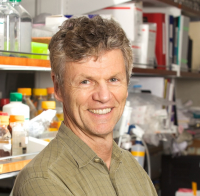
Miles F. Wilkinson is a Distinguished Professor in the Department of Obstetrics, Gynecology, and Reproductive Sciences at University of California, San Diego. His laboratory uses genetic, genomic, and molecular approaches to study intriguing problems relating to gene expression.
Dr. Wilkinson’s interest in neurobiology was initially spurred by his laboratory’s studies on a selective RNA turnover (decay) pathway called nonsense-mediated RNA decay (NMD). Since the 1990s, his laboratory defined various aspects of this highly-conserved biochemical pathway - from its regulation to its diverse biological functions to its evolution. Their first hint that NMD might have a role in the nervous system came from their studies identifying small non-coding RNAs—microRNAs—that regulate NMD factors. This work led to the discovery of a molecular circuit involving neurally-expressed microRNAs that downregulates NMD as a means to drive the initial steps of neural differentiation. Later, the Wilkinson laboratory shifted their attention to an enigmatic NMD factor—UPF3B—that they found was not required for the entire NMD pathway, but instead exhibited high selectivity for degrading specific transcripts. There was considerable interest in this particular NMD factor, as the laboratory of the human geneticist, Jozef Gecz, demonstrated that UPF3B mutations cause intellectual disability in humans. To understand the underlying mechanisms involved, the Wilkinson laboratory generated mice lacking UPF3B. They found that these Upf3b-null mice exhibited dendritic spine maturation defects in the cortex and had selective behavioral defects, including in pre-pulse inhibition and specific forms of learning and memory. These NMD-deficient mice also exhibited olfactory system defects, a common symptom prior to overt symptoms of human neurodegenerative diseases such as Parkinson’s and Alzheimer’s disease. Together, these findings (coupled with findings linking NMD with the nervous system from others in the field) led Dr. Wilkinson to hypothesize that alterations in NMD (such as its activity) over evolutionary time had a role in creating differences in the brains of different species. In support of this hypothesis, his laboratory along with the laboratory of Dr. Kun Tan (UCSD), identified a highly conserved regulatory element in a NMD gene that has properties suggesting it evolved in a manner that drove nervous system differences between humans and our closest living relative – the chimpanzee. This human accelerated region (HAR) - "HAR123" - is a transcriptional enhancer that drives human neural progenitor progenitor cell (NPC) formation, controls the ratio of neurons and glia generated from NPCs, and promotes cognitive flexibility.

